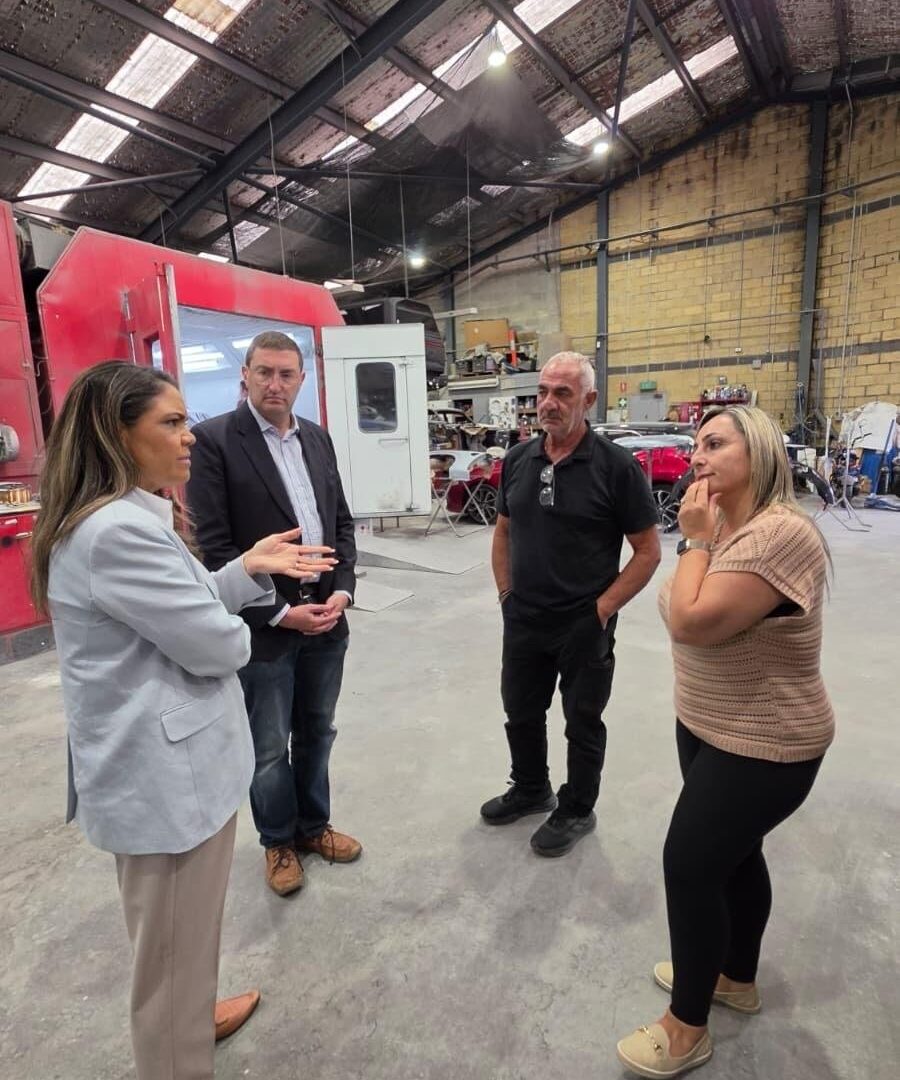
The case
The threat
Small businesses are the largest employer in the country. Under this government they are closing faster, getting paid later, and forced to do more paperwork than at any point in the last decade.
The scale
Small businesses are the economy.
When people say small business is the backbone of the economy it sounds like a line at a fundraiser. But the fact is nothing else in the country employs this many people.
- 2,656,469 small businesses in Australia — 97.3% of every business in the country ABS, June 2025
- 5.2 million Australians work for one — 39% of the entire private sector workforce ASBFEO / ABS, 2023–24
- $596 billion in value added in a single year — around a third of private sector output ASBFEO / ABS, 2023–24
The direction
businesses closed their doors in 2024–25
ABS, Counts of Australian Businesses, June 2025
And it is going backwards.
Builders and cafés. Construction is 24.4% of company collapses and hospitality another 14.9%, nearly two in five, from just two industries. The two that employ the most young Australians and train the most apprentices are the two failing fastest.
ASIC insolvency statistics. FY2025–26 preliminary.
Getting paid
You did the work. Now wait 64 days.
Payment times got worse across 2025 on every measure the regulator publishes. For a business with no employees and no line of credit, a 64-day invoice is the difference between paying yourself this month and not.
Payment Times Reporting Regulator, January 2026. One in three invoices is now paid outside agreed terms.
Red tape
The paperwork about doing business now costs more than most businesses make.
Six hours a week is most of a working day, every week, on work that earns nothing. Add financial administration and it is closer to two or three hours a day.
+$95 billion a year 4.2% → 5.8% of GDP
Mandala for the Australian Institute of Company Directors, November 2025. Covers all Australian organisations.
- 32% of small businesses spend six hours a week or more on compliance and regulatory tasks
- 28% now rank red tape and compliance among their three largest business expenses
- 34% are confident they actually comply with the Fair Work Act
COSBOA and CommBank, Small Business Perspectives Report 2025 (national survey, n=841)
Access to finance
No house, no loan.
The Reserve Bank describes growth in the smallest business loans as very weak. In practice it means what it has always meant: if you don’t own a house, the bank isn’t interested, no matter how good the business is.
- 1 in 5 small and medium businesses had difficulty obtaining finance
- Over 95% of SME credit requires security and around half of small loans are secured against the owner’s home
Reserve Bank of Australia Bulletin, October 2025
Who carries it
of small business owners considered closing or walking away in the past twelve months. 59% in construction, 63% in retail
COSBOA and CommBank, Small Business Perspectives Report 2025 (national survey, n=841)
- 76% experienced stress or anxiety in the past year; 57% reported burnout
- 60% could not pay themselves at least occasionally over the past twelve months
- 65% put their own personal money in to keep the business running
There is no line item in the national accounts for this. It is paid privately, at home, by people who are told they are the backbone of the economy and then ignored.
The next generation
When small business stops hiring, we’re in trouble.
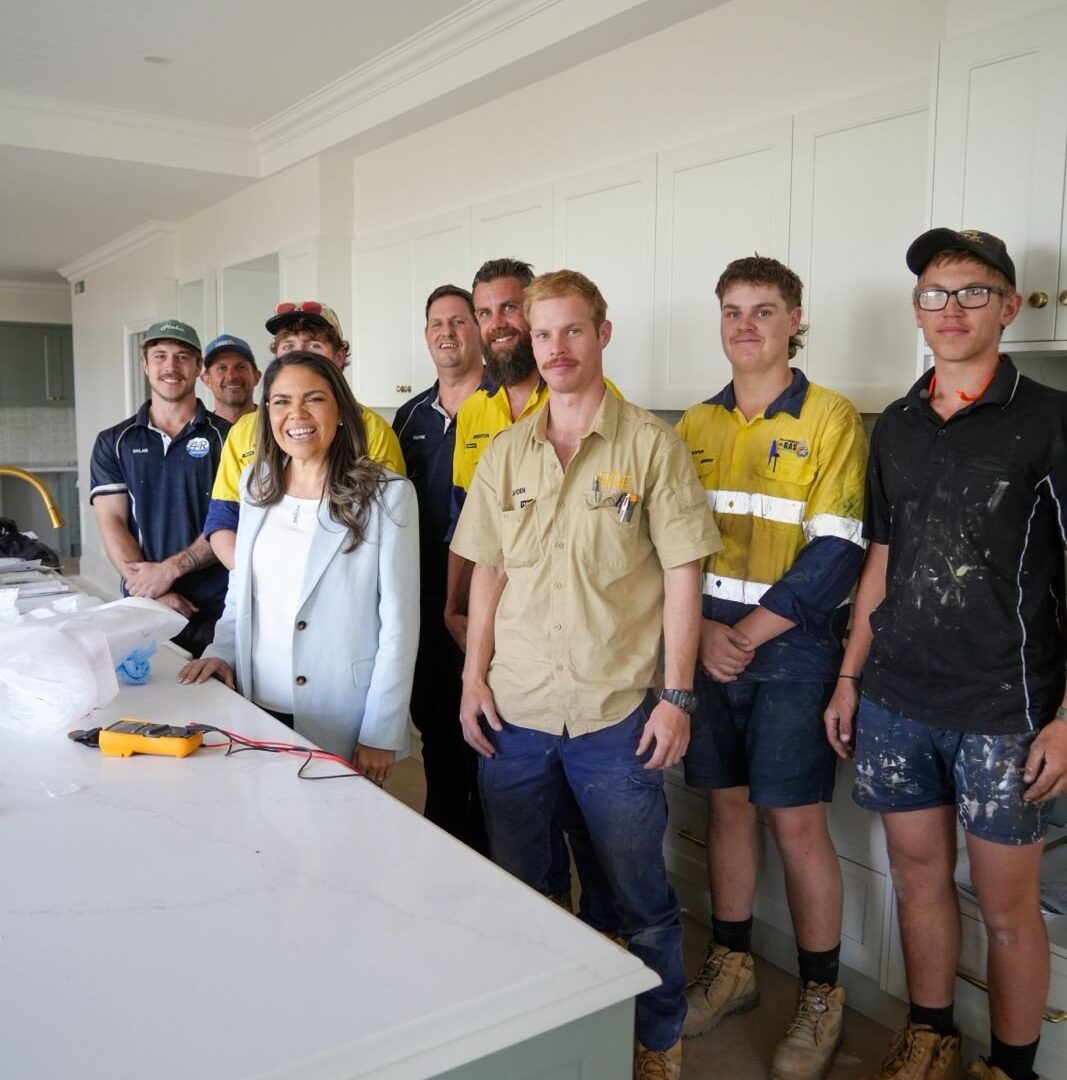
Small businesses train the tradespeople. When they stop taking on apprentices because they cannot see twelve months ahead, it’s the next generation of workers who pay the price.
“Small businesses train the next generation of builders, electricians, mechanics and hospitality workers. When small businesses are struggling to survive, those opportunities are put at risk.”
So I’m asking you instead
These are just data, I want to hear the stories.
Statistics don’t tell you what it is like to run your business. So tell me. The first thing I ask when you get in touch is what is actually making it hardest right now.
Have your sayHave your say
Tell me what’s actually happening to your business.
Leave your details and I’ll keep you posted, including on the next steps.
Your details go to my office and I’ll be in touch with what’s coming next.